








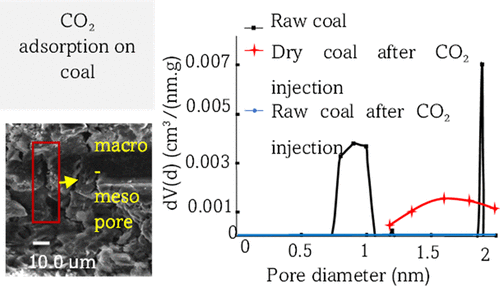
This study aims to demonstrate a model of a region-specific CCS system through the verification of a small-scale CCS system. The study consists of: (i) elucidation of CO₂ absorption, separation, and storage mechanisms, (ii) development of monitoring methods to evaluate the long-term stability of stored CO₂, and (iii) social and economic assessment of CCS at the municipal scale. Considering the trends in CO₂ emissions in Japan, the development of comprehensive CO₂ management is crucial. Unlike large-scale subsea CO₂ storage at depths exceeding 1,000 m, the study field targets subsurface layers at several hundred meters depth. Since the shallow subsurface beneath residential areas is assumed, elucidating storage mechanisms and monitoring methods is particularly important. Additionally, economic feasibility and understanding by local residents are essential factors. The study is expected to provide new insights into shallow CO₂ storage mechanisms and methods, and, by ensuring long-term storage reliability and obtaining public assessment, to enable comprehensive system proposals for a low-carbon society.
As long as energy dependence on fossil fuels continues, CO₂ emissions are inevitable, making the implementation of CCS essential. Although the selection of large-scale storage sites is progressing, Japan’s annual CO₂ emissions exceed one billion tons, indicating that the current CCS capacity is insufficient. Expansion of storage potential is an urgent global issue. This study focuses on shallow CO₂ storage utilizing regional characteristics such as former coal mining sites and geothermal fields, aiming to evaluate long-term stability through chemical trapping and enhance social acceptance.
This study focuses on residual coal seams and geothermal fields, targeting CO₂ storage in shallow subsurface layers rooted in local communities, which differs from conventional deep offshore CCS. The selected fields possess unique geological characteristics, and to ensure long-term stability, the study evaluates chemical reaction properties to promote chemical trapping. In addition, assessments of economic feasibility, safety, and social acceptability are conducted to establish a CCS technology package suitable for local communities.
SHIMADA Hideki
Professor
Faculty of Engineering
Rock Sample Collection and Physical Property Evaluation
SASAOKA Takashi
Associate Professor
Faculty of Engineering
Economic Evaluation and Public Acceptance Design
IKEDA Tatsunori
Associate Professor
Faculty of Engineering
Rock Sample Collection and Physical Property Evaluation
EGAWA Kosuke
Associate Professor
Faculty of Engineering
Rock Sample Collection and Physical Property Evaluation
CHAPMAN Andrew
Associate Professor
International Institute for Carbon-Neutral Energy Research (I2CNER)
Monitoring Test Cost-Effectiveness and Public Acceptance Design
Monitoring Test
This study evaluates the feasibility of implementing region-specific CCS and establishes a comprehensive approach for its social deployment. Through collaboration with companies and local governments, it also considers applications in demonstration fields and potential international expansion. Many regions, both in Japan and abroad, once prospered through resource development but now face economic stagnation after mine closures, leaving only the former sites. The realization of small-scale CCS is expected to contribute to regional economic revitalization and a decarbonized society. Furthermore, this approach can be applied to overseas sites, supporting potential international deployment.

Theodra Noely Tambaria, Yuichi Sugai, and Ferian Anggara.
A Case Study from Shallow-Depth Low-Rank Coal Seams, ACS Omega (ACS Publications), 8 (45) ,42329 – 42339, October 2023
DOI:10.1021/acsomega.3c04615

Theodra Noely Tambaria, Yuichi Sugai, and Ferian Anggara.
Journal of Petroleum Exploration and Production Technology (Springer), 13, 813 - 826, September 2022
DOI:10.1007/s13202-022-01569-z
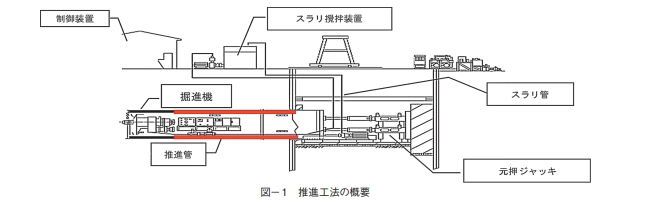
笹岡孝司、島田英樹、濵中晃弘.
月間推進技術, Vol.38 ( No.1 ) , 78 – 84, 2024年1月
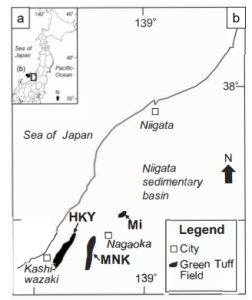
上野健太、江川浩輔、小島啓太郎、松井良一.
石油技術協会誌, 90 ( 3 ), 127 – 141, 2025年5月

江﨑丈裕、菅井裕一、町田洋.
Journal of MMIJ, 140 ( 8 ), 127 – 133, 2024年8月
DOI:10.2473/journalofmmij.MMIJ-2023-024